.png)


Troubleshooting Pilot Light Problems

When your pilot light goes out, it can disrupt your home's heating or hot water supply. Understanding how to troubleshoot pilot light problems can save you time and prevent unnecessary service calls. This guide offers clear, step-by-step advice to help you identify and resolve common pilot light issues safely and effectively.
Understanding Pilot Light Troubleshooting
A pilot light is a small flame that ignites the gas burner in appliances like water heaters, furnaces, and boilers. When the pilot light fails, the appliance cannot operate properly. Common reasons for pilot light failure include dirt buildup, faulty thermocouples, or gas supply issues.
Before attempting any troubleshooting, ensure your safety by turning off the gas supply and waiting for any residual gas to clear. If you smell gas strongly, evacuate the area and contact a professional immediately.
Common Causes of Pilot Light Problems
Dirty or clogged pilot orifice: Dust and debris can block the gas flow.
Faulty thermocouple: This safety device senses the pilot flame and controls gas flow.
Gas supply issues: Problems with the gas valve or supply line can prevent ignition.
Drafts or air flow: Strong air currents can blow out the pilot light.
Wear and tear: Over time, components may degrade and fail.
Understanding these causes helps you focus your troubleshooting efforts effectively.

Step-by-Step Pilot Light Troubleshooting
Follow these steps carefully to diagnose and fix pilot light problems:
1. Check the Gas Supply
Make sure the gas valve to the appliance is open. If you have other gas appliances, verify they are working to confirm gas availability. If the gas is off or interrupted, the pilot light will not ignite.
2. Inspect the Pilot Light
Look at the pilot light flame. It should be steady and blue with a small yellow tip. A weak or flickering flame may indicate a dirty or partially blocked pilot orifice.
3. Clean the Pilot Orifice
Turn off the gas and allow the appliance to cool. Use compressed air or a thin wire to gently clean the pilot orifice. Avoid damaging the orifice or surrounding components.
4. Test the Thermocouple
The thermocouple detects the pilot flame and signals the gas valve to stay open. If it is faulty, the gas supply will shut off. To test, gently heat the thermocouple with a lighter while the pilot is lit. If the flame goes out, the thermocouple may need replacement.
5. Relight the Pilot Light
Follow the manufacturer’s instructions to relight the pilot. Usually, this involves turning the gas valve to "pilot," pressing a button or holding a knob, and using a match or igniter to light the flame. Hold the control for 30-60 seconds to allow the thermocouple to heat up.
6. Check for Drafts
Ensure the appliance is not exposed to drafts or strong air currents that could extinguish the pilot light. Close nearby windows or doors if necessary.
If these steps do not resolve the issue, it may be time to seek professional help.
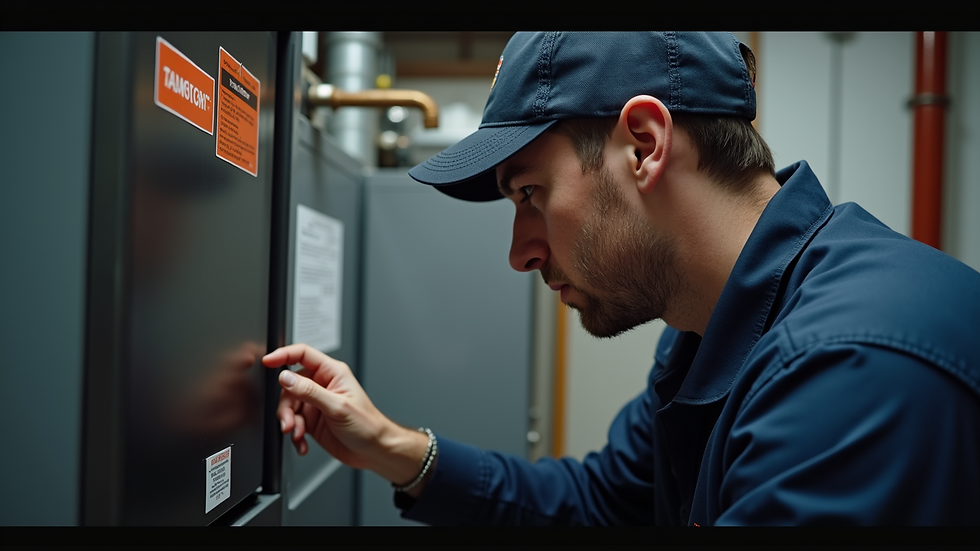
When to Call for Professional Help
Some pilot light problems require expert attention. If you experience any of the following, contact a qualified technician:
Persistent pilot light outages despite troubleshooting
Strong smell of gas or suspected gas leaks
Difficulty accessing or safely relighting the pilot light
Faulty gas valves or complex appliance issues
Concerns about safety or unfamiliarity with gas appliances
For reliable and prompt service, consider contacting a trusted provider specializing in emergency repairs and home improvements. They can perform thorough diagnostics and ensure your system operates safely.
If you need assistance, Greenscape Ecochic offers expert pilot light repair services in the Ozark, Enterprise, and Dothan areas. Their team is available 24 hours for emergency plumbing and handyman work.
Preventing Future Pilot Light Issues
Regular maintenance can reduce the likelihood of pilot light problems. Here are some tips:
Schedule annual inspections of gas appliances.
Keep the area around the appliance clean and free of dust.
Check for drafts and seal gaps near the appliance.
Replace worn or damaged parts promptly.
Follow manufacturer guidelines for operation and maintenance.
Routine care helps maintain safe and efficient appliance performance.
Staying Safe During Pilot Light Troubleshooting
Safety is paramount when working with gas appliances. Always:
Turn off the gas supply before inspecting or cleaning.
Work in a well-ventilated area.
Avoid open flames if you smell gas.
Use proper tools and follow instructions carefully.
Wear protective gloves and eyewear if needed.
If you feel unsure at any point, do not hesitate to call a professional.
Reliable Support for Your Home Repairs
Addressing pilot light problems quickly can restore comfort and safety to your home. Whether you need urgent repairs or general maintenance, having a dependable service provider is essential.
Greenscape Ecochic is committed to delivering high-quality home repair and improvement services in your area. Their expertise in emergency plumbing and handyman work ensures your needs are met promptly and professionally.
Taking proactive steps and knowing when to seek help will keep your home running smoothly.
By following this guide, you can confidently troubleshoot pilot light issues and maintain your gas appliances safely. Remember, when in doubt, professional support is just a call away.


Comments